Fence Painting in St. Louis
Protect your fence from St. Louis's changing seasons with our painting and staining services. We clean off moss, mold, and grime, then paint or stain your fence to match your home with durable, attractive finishes.
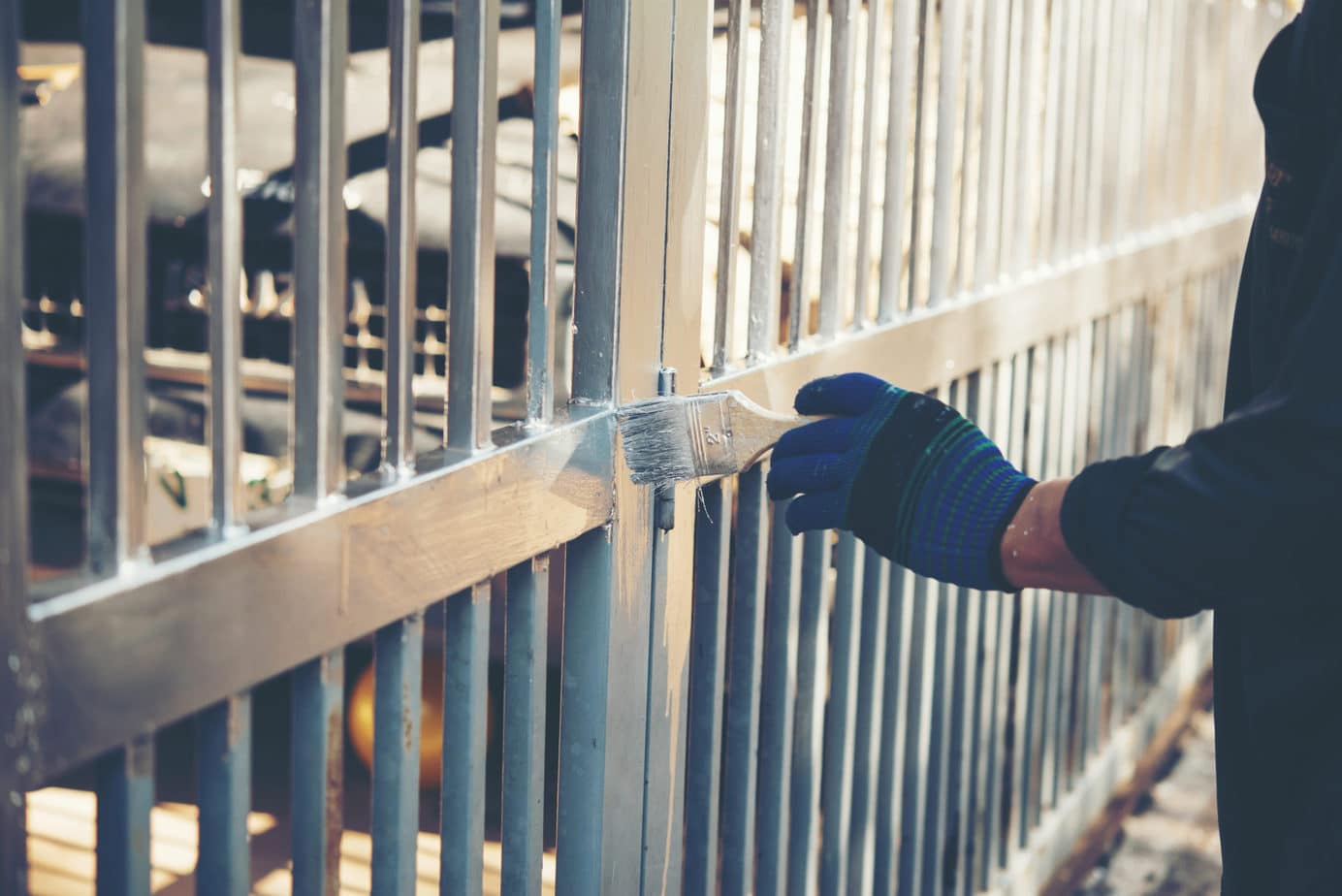
St. Louis freeze-thaw cycles are hard on wood fences. Water gets into cracks in fall, freezes in winter, and forces the wood apart. A good coat of stain or paint before winter seals out that moisture. The best time to do fence work here is May through June or September through October when humidity is moderate and rain is less frequent.
A wood fence is an investment. A standard privacy fence runs $3,000 to $6,000 or more to install. But left unprotected, that same fence starts graying, cracking, and rotting within two to three years. Paint or stain is what keeps your fence looking good and standing up for the full 15 to 20 years it should last.
At OnDemand Painters, we paint and stain wood fences of all types — privacy fences, picket fences, split rail, and decorative fencing. Here is how we approach every fence project.
Prep comes first. We pressure wash the entire fence to strip off dirt, mildew, algae, and any old finish that is flaking or peeling. Pressure washing also opens up the wood grain so the paint or stain can penetrate properly. If the fence has never been finished, we let the wood dry completely after washing — usually 24 to 48 hours depending on weather.
While the fence dries, we inspect every board, post, and rail. Loose boards get re-secured. Cracked or split boards get replaced. Popped nails get pulled and replaced with screws that hold tighter. Posts that are leaning or soft at the base get assessed — sometimes they need replacement, sometimes they just need to be reset and reinforced. We handle minor repairs as part of the project. Major structural work gets quoted separately.
After repairs, we sand any rough spots, splinters, or areas where old finish is still hanging on. The goal is a clean, smooth surface that accepts the new finish evenly.
Now the big decision: paint or stain?
Stain soaks into the wood and lets the grain show through. It comes in transparent, semi-transparent, and solid versions. Transparent stain shows the most wood grain but offers the least UV protection. Solid stain hides the grain but lasts longer and protects better. Semi-transparent is the sweet spot for most fences — good protection with a natural wood look. Stain does not peel or chip the way paint can, which means touch-ups and future recoats are simpler.
Paint sits on top of the wood and hides the grain completely. It gives you full color options — white picket fences, for example, are painted. Paint creates a harder barrier against moisture and UV, but it can peel and crack over time, especially on wood that expands and contracts with moisture and temperature changes. When paint fails, the prep for recoating is more work than with stain.
We help you decide which one makes sense for your fence, your climate, and how you want it to look. Both are good options when applied correctly.
For application, we use a combination of spray, brush, and back-rolling depending on the fence style. Spray gets into all the gaps and crevices on privacy fences quickly. Back-rolling and brushing works the finish into the wood grain for better penetration and an even coat. Picket fences and decorative fences with lots of detail get more brush work.
We use exterior-grade products from Sherwin-Williams and Benjamin Moore that include UV inhibitors, mildew resistance, and water repellent. These products last longer than consumer-grade stains and paints from hardware stores.
Most fence projects take one to three days depending on the length of the fence, condition, and whether we are painting or staining. We need dry weather and temperatures above 50 degrees. We protect landscaping, patios, and any structures near the fence with drop cloths and careful masking.
We have been doing this for over 20 years. Our crew handles the work directly — no subcontractors. You get a quote within 10 minutes and a written guarantee on the finished job.
What's included
Fence Painting questions
Should I paint or stain my fence? expand_more
It depends on the look you want and how much maintenance you are willing to do. Stain lets the wood grain show, does not peel, and is easier to recoat down the road. Paint hides the grain, gives you full color options, and creates a harder moisture barrier — but it can peel and is more work to repaint. For most wood fences, we recommend semi-transparent or solid stain. We will help you decide based on your fence type and climate.
How long does fence paint or stain last? expand_more
A quality stain lasts two to four years depending on sun exposure and weather. Paint lasts three to five years on a fence. Both last longer on fences that are partially shaded. Recoating stain is simpler than repainting — you pressure wash and apply a fresh coat. Paint requires more prep if it starts peeling.
Can you paint or stain a new fence right away? expand_more
New pressure-treated wood needs to dry out before it can accept paint or stain properly. We recommend waiting 3 to 6 months after installation. If the fence is made from cedar or redwood, it can usually be stained sooner. We can check the moisture level of the wood and tell you if it is ready.
Do you repair fence boards before painting? expand_more
Yes. Minor repairs — loose boards, cracked pickets, popped nails, and small rot spots — are included in the project. If we find major structural issues like rotted posts or sections that need full replacement, we will quote that separately so you can decide how to handle it.
Fence Painting for St. Louis homes
Common home types we work on
Brick prevalence requires masonry-specific paints and sealers; historic brick may need lead paint testing for pre-1978 homes and breathable coatings to avoid moisture trapping. Plaster walls demand careful surface prep — patching cracks, skim coating — as plaster absorbs paint unevenly. Bungalow and Tudor rooflines complicate access. Urban density means tight access around alley houses and flounder houses. Many large historic homes have been converted to lofts or apartments with high ceilings and irregular surfaces.
wb_sunny Best time for exterior work in St. Louis
Late spring (May-June) and early fall (September-October) are optimal. Summers too hot and humid; winters halt outdoor work due to cold and ice.
Fence Painting across St. Louis
We provide fence painting throughout the St. Louis metro area, including:
From quote to finished — in 4 steps
1. Get a Quick Quote
Fill out the form or call us. We respond with a detailed quote in as little as 10 minutes.
2. On-Site Estimate
For larger projects, we schedule a free in-person walkthrough to confirm scope and pricing.
3. We Get to Work
Our crew arrives on time, preps properly, uses premium materials, and keeps you informed throughout.
4. Final Walkthrough
We walk through the finished work with you. If anything needs adjusting, we fix it on the spot.
Other services in St. Louis
Fence Painting in other markets

Chris Heerdegen
I'm Chris, the owner of OnDemand Painters. When you call, it's directly to my cell. I've been in the industry since 2001 and manage crews across six markets. We show up when we say we will, and we do the type of work that earns a review.
Ready for fence painting in St. Louis?
Free quote in 10 minutes. Local crew. Written guarantee.